
Project
About the Work
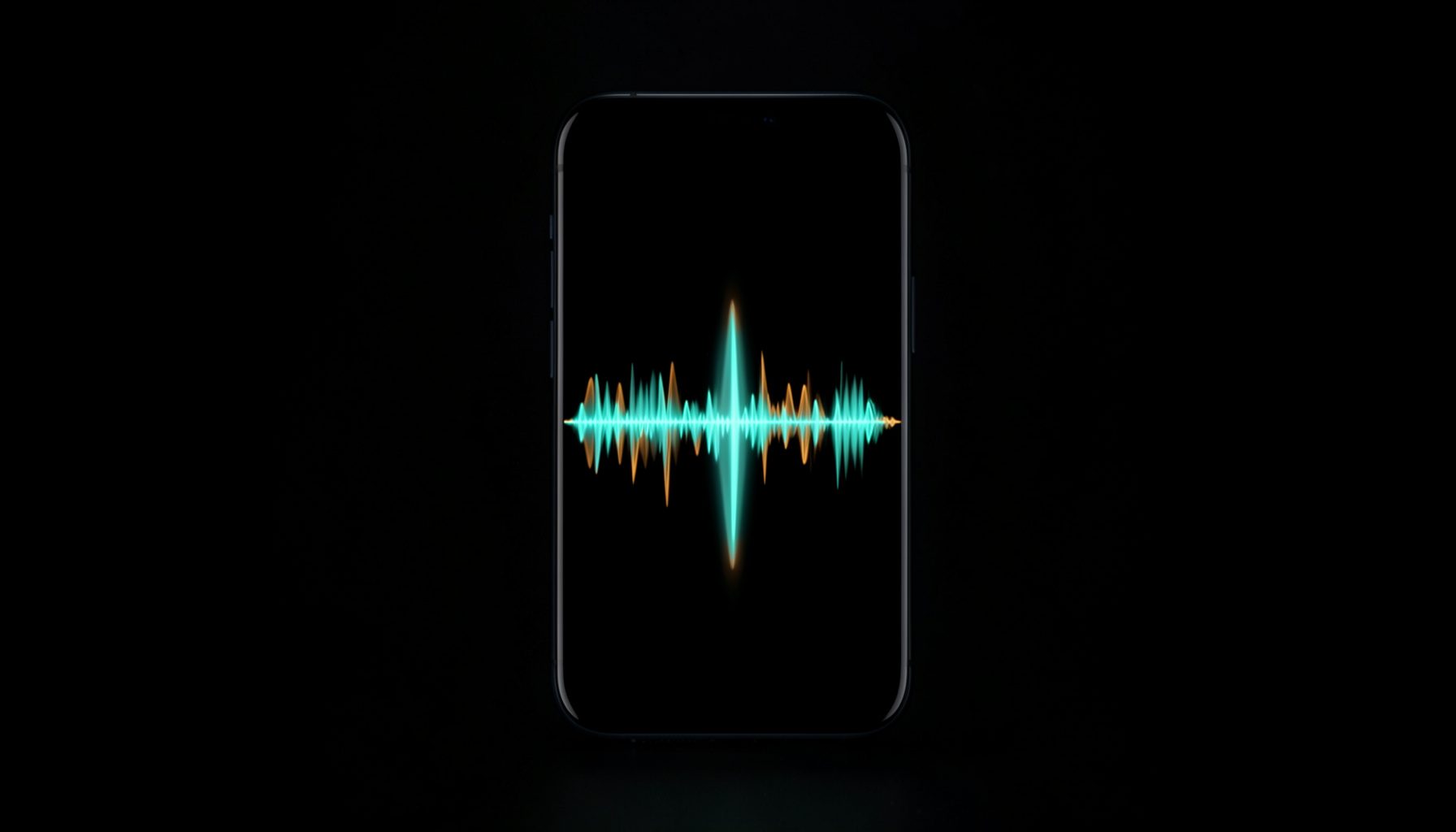
Anywhere, All The Time is an application for Android devices that translates Wi‑Fi and GPS network activity into sound. By rendering these normally imperceptible signals audible, the work invites listeners to consider the dense technological layers embedded in everyday urban environments.
The project was presented at Kongress der Möglichkeiten, a gathering exploring the intersections of art, technology, and civic life.
How It Works
Sonifying the Invisible
The application continuously monitors surrounding Wi‑Fi access points and GPS coordinates, mapping signal strength, network density, and positional data to evolving sonic textures. What results is an ever-shifting composition shaped by the hidden electromagnetic landscape of the city.
By making network infrastructure audible, the piece draws attention to the pervasive surveillance and data-collection architectures that operate below the threshold of everyday awareness.
The act of listening becomes an investigative practice when technology mediates our perception of place. By translating invisible wireless signals into audible textures, urban spaces reveal hidden layers of activity that shape daily life. This approach transforms passive navigation through the city into an active engagement with its electromagnetic geography. The resulting soundscapes are neither purely musical nor strictly documentary, occupying a threshold between data and experience. Listeners are invited to consider how networked infrastructure conditions movement, attention, and social interaction in contemporary public space, making audible the constant negotiation between human bodies and the digital architectures that surround them.
Sound art that engages with surveillance and algorithmic control often challenges assumptions about privacy and agency. When location data and signal strength become compositional material, the work raises questions about who is watching and who is heard. These sonic interventions do not simply represent data, but create conditions for critical reflection on the systems that structure modern life. The experience of hearing one's own digital footprint rendered as sound can be unsettling, revealing the extent to which personal movement is tracked, stored, and analyzed. Such projects invite audiences to reconsider their relationship with the devices they carry and the networks they depend upon.
Collaboration across disciplines enriches artistic practice, particularly when addressing complex technological and social themes. Working with programmers, researchers, and community organizers allows sound artists to develop tools and experiences that resonate beyond the gallery or concert hall. Presentations at conferences and festivals focused on art, technology, and civic life provide platforms for these conversations to reach diverse audiences. The interplay between composition and code, between listening and critical inquiry, generates works that are both conceptually rigorous and sensorially immediate. This intersection of art and activism continues to evolve, responding to shifting political landscapes and emerging technologies.
Resources